


 Preventive Health

 Contact Us
 Career

Cancer Treatment in Delhi: What to Expect from Diagnosis to Surgery, Chemotherapy and Radiotherapy
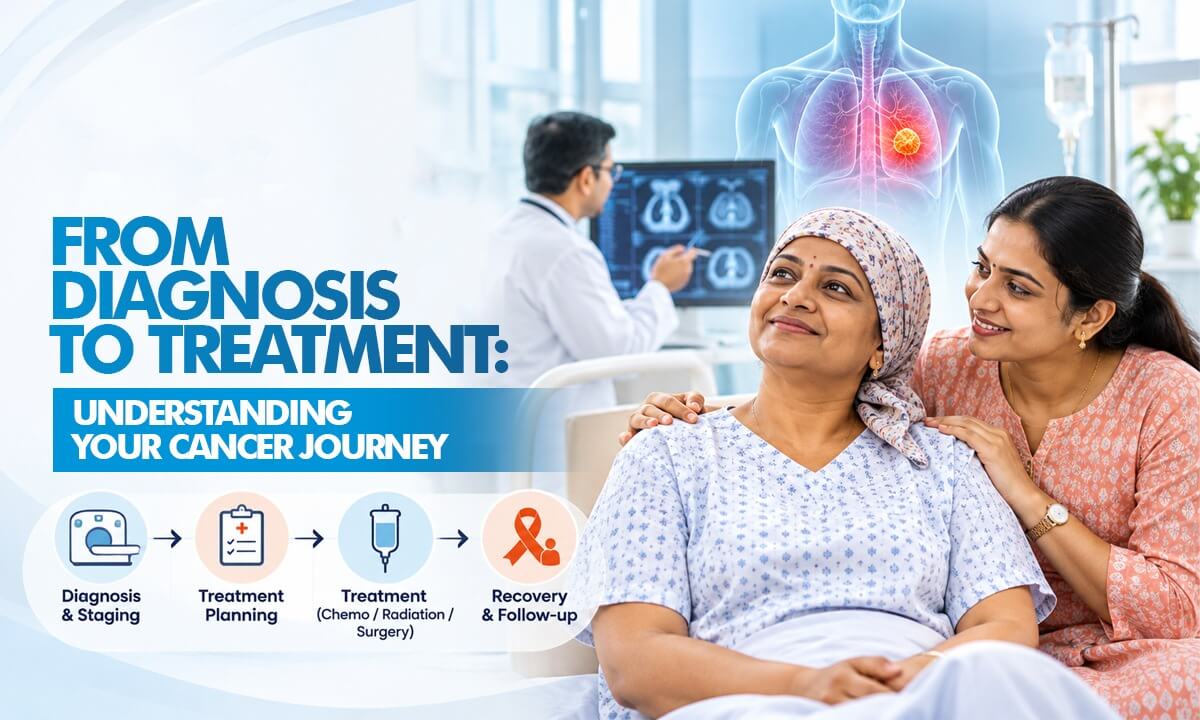
Although there is uncertainty when it comes to diagnosing cancer, information on what follows after diagnosing cancer will make it easier to navigate through the entire process. Treatment of cancer is more than one form of surgery, chemotherapy or any other form of medication depending on the form of the disease. There are many treatment options for various types of cancer at different stages. They include surgery, chemotherapy, radiotherapy, targeted therapy or immunotherapy among others.
Cancer treatment in Delhi involves knowing what will happen after the diagnosis. Right from the appointment that you book with the doctor for the first time, up to the taking of the sample and the actual treatments such as surgery, chemotherapy, and radiotherapy, the whole process will be less complicated
What Will Happen Once You Have Been Diagnosed With Cancer?
A diagnosis of cancer may be very stressful, but being armed with some knowledge about the future ahead of you may make the whole process a little bit easier. The treatment of cancer is not simply an operation or medication. There are various types of cancer treatments depending on the nature and seriousness of the cancer.
If one wants to understand cancer treatment in Delhi, knowledge of what follows in every step would be helpful to prepare themselves before consulting specialists and undergoing treatments. From the first specialist consultation to surgery, chemotherapy, and radiation therapy, everything is done keeping in mind the diagnosis of the patient.
How Is Cancer Staged?
Cancer staging allows the doctor to know about how much the cancer has developed and whether it has spread to other parts of the body than where it originally was.
For different types of cancers, different staging methods could be used including:
- CT scan
- MRI
- PET-CT
- Ultrasound
- Bone scan
- Blood test
- Lymph node assessment
- Others
Different cancers will have different staging procedures. Early stage cancer would be treated differently from the advanced and metastatic stage cancer.
What Happens During the First Oncology Consultation?
An oncologist’s consultation is a significant step in the therapy process.
During the visit, the doctor will talk about:
- The definite diagnosis
- Stage of cancer
- Treatment options
- Purpose of the treatment
- Pros and cons
- Possible side effects
- How long the treatment will take
- Next steps
It is okay to ask questions. It will be helpful to bring a relative and patient’s health history.
How Is the Cancer Treatment Plan Decided?
There is no standard treatment plan for all cancers.
Doctors take into account many different considerations, which include:
- Type of cancer
- Stage of cancer
- Size and site of tumour
- Involvement of lymph nodes
- Cancer spread
- Biology and markers of tumour
- Patient’s age and overall health status
- History of previous treatment of cancer
- Patient’s preferences
Sometimes, a multi-speciality panel reviews the case prior to formulating a treatment plan.
What Is Cancer Surgery?
Cancer surgery in Delhi will be suggested when a tumour can be surgically removed with minimal risk and the surgical procedure will offer the required benefits.
For the different types of cancers, surgery can be performed to:
- Excise the primary tumour
- Surgically remove the affected lymph nodes
- Decrease the size of a tumour prior to treatment
- Correct any complication associated with the cancer
- Restore the affected body parts
The kind of surgery to be performed depends upon the location of cancer.
What Should You Expect from Cancer Surgery?
A pre-operative test is done by the healthcare team before performing any surgical intervention. This includes a number of investigations such as blood investigation, imaging, and anaesthesia evaluation among others.
The following details shall be shared by the surgeon:
- Procedure to be conducted
- Method of conducting the surgery
- Duration of hospital stay
- Complications that may arise from the procedure
- Recovery time period
- Follow up
The excised tissue after surgery can be sent for pathologic examination. The pathologic results obtained may help in making further recommendations.
How Do You Choose a Cancer Surgeon in Delhi?
Individuals searching for a cancer surgeon in Delhi need to have information pertaining to the experience of the cancer surgeon for that particular type of cancer and not just because he/she is the “best.”
Some key points are:
- Experience with that type of cancer
- Surgical skills
- Availability of suitable surgical methods
- Provision of anesthesia and critical care facilities
- Cancer treatment through a multidisciplinary approach
- Rehabilitation services
- Follow up after surgery
Each case of cancer needs an appropriately selected surgical team.
What Is Chemotherapy?
Chemotherapy in Delhi plays an essential role in the treatment of many cancers. Chemotherapy involves the use of drugs to destroy cancerous cells and inhibit the growth of such cells.
Chemotherapy can be administered:
- Prior to surgery
- After surgery
- In conjunction with radiotherapy
- As the primary mode of treating some cancers
- To treat advanced cancer
- To palliate symptoms due to advanced disease
The mode of administration can either be intravenous or oral and others depending on the drug used.
Not all patients with cancer require chemotherapy.
What Can You Expect During Chemotherapy?
Usually, before the start of the chemotherapy treatment program, there will be a briefing by the oncology team regarding the schedule of treatment, the medicines to be used, the potential side effects, and monitoring needs.
Chemotherapy is usually delivered in cycles. The cycle includes treatment periods and recovery periods.
Based on the medicines prescribed, side effects may include:
- Fatigue
- Nausea
- Appetite changes
- Hair loss
- Mouth sores
- Low blood cell counts
- Infection risks
- Nerve problems
Side effects will greatly differ depending on the patient and the medicines that have been prescribed. With today’s supportive care, doctors can prevent or deal with many side effects of the treatment program.
What Is Radiotherapy?
Radiotherapy in Delhi involves the use of radiation energy to destroy cancerous cells or block their reproduction process.
This method can be used as:
- The first line of treatment for some cancers
- Post-surgical treatment
- Pre-surgical treatment in some cases
- Combined chemotherapy and radiotherapy treatment
- Symptom-relieving treatment of cancer symptoms
Radiotherapy is specifically administered to target radiation on the desired area and minimize the damage to surrounding healthy cells.
What Should You Expect from Radiotherapy?
The procedure of radiotherapy takes place across several sessions as opposed to one session.
Prior to treatment, the medical practitioners involved may carry out imaging of the affected part and make a treatment plan.
During treatment:
- The positioning of the patient is very accurate.
- The affected part is then lined up based on the information from the plan made earlier.
- The radiation is administered through specialized equipment.
- The patient undergoes monitoring during the entire process of treatment.
The administering of radiation does not take long during each session.
What Does a Radiation Oncologist Do?
A Radiation oncologist in Delhi is a specialist who applies radiation therapy for treating cancer patients.
The radiation oncologist identifies if radiotherapy is the suitable treatment option for patients, decides on the treatment zone and the dose of radiation and develops the treatment plan with the rest of the team.
This specialist also assists in managing the side effects of the treatment procedure.
What Are the Side Effects of Radiotherapy?
Side effects vary according to the part of the body that is being treated, the radiation dosage, the duration of treatment, and whether other treatment methods are being used.
Some side effects include:
- Tiredness
- Skin changes
- Feeling sick
- Loss of appetite
- Mouth/throat irritation in case of treatment in that part of the body
- Bowel/bladder changes in case of treatment in that particular part of the body
While some side effects happen immediately after treatment, there are others that occur at a later stage.
Can Cancer Treatment Include More Than One Therapy?
Yes. Oftentimes, the patients undergo multimodal treatments, which means that there is more than one treatment regime being used for them.
For instance:
- Surgery with subsequent use of chemotherapy
- Surgery with subsequent use of radiotherapy
- Chemotherapy followed by surgery
- Combined use of chemotherapy with radiotherapy
- Surgery followed by chemotherapy and radiation
- Use of systemic therapy with targeted therapy
And many others.
Role of Targeted Therapy and Immunotherapy in Cancer Treatment
In current practice, there are modern approaches to the treatment of cancer based on biological peculiarities of tumour.
Targeted Therapy
Targeted drugs affect particular substances or mechanisms that contribute to the development of cancer. Targeted therapy is used if there is a relevant target in the tumour.
Immunotherapy
Immunotherapy helps to boost the body’s natural ability to destroy cancer cells. Immunotherapy is chosen based on certain characteristics of cancer and a patient.
Targeted and immunotherapy treatments cannot always be used as an alternative to surgical operations, chemotherapy, or radiation therapy. Targeted and immunotherapy treatments can be utilized either individually or in combination with other treatments.
What is an Oncology Hospital in Delhi?
Oncology Hospital in Delhi is a term that represents a medical center that provides oncology diagnosis and treatment.
Below is a list of things to consider while choosing a hospital:
- Medical oncology
- Surgical oncology
- Radiation oncology
- Diagnostic imaging
- Pathology
- Molecular and biomarker testing
- Facilities for chemotherapy
- Radiation therapy
- Intensive and supportive care
- Treatment planning by a team of experts
- Follow-up Services
A cancer treatment plan often involves collaboration among a number of specialists.
How to Choose Cancer Specialists Hospital in Delhi?
People looking for a hospital with a specialist in cancer in Delhi must go further than just one treatment and think of the whole process.
Some of the important considerations might be:
- Specialization in treating that particular cancer
- Expert oncologists
- Diagnostic/pathological services
- Surgical facility
- Radiation oncology
- Medical oncology
- Facility for latest systemic therapies
- Multidisciplinary consultation
- Emergency facility
- Supportive care facility
The best hospital will obviously depend upon the patient's particular diagnosis and treatment requirements.
What Should You Take to Your Cancer Consultation?
Patients seeking out a cancer specialist hospital in Delhi need to think about not only the individual therapy but rather the entire process of care.
Points to take into account include:
- Experience in dealing with the particular form of cancer
- Qualified oncologists
- Diagnosis and pathology services
- Surgical department
- Radiation oncology
- Medical oncology
- Modern systemic therapy
- Multidisciplinary consultations
- Emergency and supportive care
- Rehabilitation services
The best hospital for the patient’s case would be the one that suits his diagnosis and needs.
How Can Patients Prepare for Cancer Treatment?
The process of preparation depends upon the type of treatment that is intended.
The patient might be counselled to:
- Follow pre-treatment instructions.
- Undergo recommended tests.
- Any medication to be discussed with the doctor.
- Ensure sufficient nourishment and liquids.
- Make arrangements for transportation or assistance whenever necessary.
- Know possible side effects.
- Keep up with scheduled appointments.
Support of an emotional and practical nature could be essential as well. Treatment of cancer could be a challenging experience both physically and emotionally.
Why Choose Action Cancer Hospital for Cancer Care?
Action Cancer Hospital offers specialised services related to cancer care. Patients have the option to meet experts to learn about their diagnoses and the treatment available to them based on their specific case.
Those seeking cancer treatment in Delhi can benefit from the services provided by surgical oncology, medical oncology, radiation oncology, diagnostics, and holistic cancer treatment.
Frequently Asked Questions
1. What is the process of treatment of cancer in Delhi?
Cancer treatment in Delhi may include the use of surgery, chemotherapy, radiotherapy, targeted therapy, immunotherapy or a combination of several approaches depending on the type and stage of cancer and patient's health condition.
2. How do I select a specialist hospital in Delhi for treating cancer?
To select a specialist hospital for treating cancer in Delhi you should take into account the experience of the hospital in dealing with the particular type of cancer, the presence of services of surgeons, medical and radiation oncologists, diagnostics and follow-up care.
3. Under what circumstances is cancer surgery performed?
Cancer surgery in Delhi may be performed when a cancerous tumour can be safely removed from a person's body and surgery is believed to bring certain treatment benefits to a patient.
4. What am I expecting from my chemotherapy in Delhi?
The process of chemotherapy in Delhi means the intake of medicines to treat cancer at scheduled intervals, which are known as treatment cycles. The oncology department keeps an eye on the results of the patient during the treatment cycle.
5. How does radiotherapy work?
The radiotherapy in Delhi procedure makes use of radiation to kill cancer cells and stop their growth. It can be administered alone or along with other forms of treatment for cancer.
