


 Preventive Health
 Contact Us
 Career
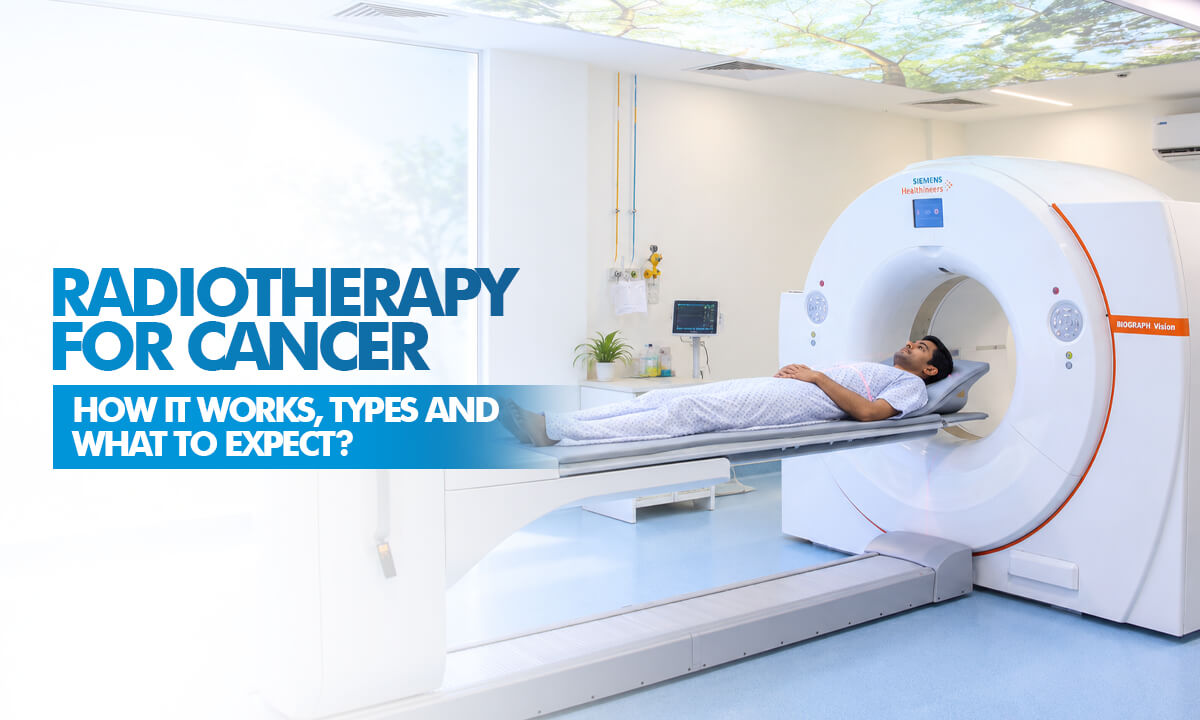
Radiotherapy for Cancer: How It Works, Types and What to Expect
Radiotherapy plays a major role in cancer therapy, whereby radiotherapy may be done to eliminate cancer cells, shrink tumours, lower the chances of recurrence of cancer, and treat symptoms resulting from advanced stages of cancer. The therapy may be done either independently or combined with surgery, chemotherapy, targeted therapy or immunotherapy, based on the stage and nature of the cancer.
Patients searching for information on radiotherapy in Delhi will gain insight into the working of radiotherapy, different types and expectations in advance, during and after treatment, which helps in making the process much more familiar. The therapy is tailored to suit individual needs of the patient.
What Is Radiotherapy?
Radiotherapy, or radiation therapy, involves the use of radiation to destroy the DNA of cancer cells. Most frequently employed radiation therapy in EBRT involves high energy X-rays that are directed toward the tumour or the affected area. In case the DNA is damaged so much that the cells cannot be repaired, the cells will no longer divide or even die.
The radiation may also have an impact on healthy cells that are found close to the site where the radiation takes place. Nonetheless, the advanced methods of radiotherapy ensure that radiation is directed to the tumour in the most accurate way possible.
Radiotherapy can be done in order to cure, control, or palliate cancer.
When Is Radiotherapy Used in Cancer Treatment?
The role of radiotherapy is dependent on the particular kind of cancer being considered.
This treatment may be used:
- Pre-surgically to shrink the tumour
- Post-surgically to kill any cancer cells left and decrease chances of recurrence
- With chemotherapy for some cancers
- In certain cases (such as cervical, prostate, and rectal cancer, as well as small brain tumours) as an alternative to surgical procedures, depending on the type of cancer, the stage, and its reaction to the treatment procedure
- For palliation of advanced cancers
The particular role of radiotherapy is determined by the cancer type, site, and stage of the cancer and the general condition of the patient.
What Are the Different Types of Radiotherapy?
There exist several methods of radiation therapy. Which one should be used depends on the site and type of the tumor as well as the treatment aim.
External Beam Radiotherapy
The external beam radiotherapy means that radiation is applied by a machine outside the body. High-energy X-rays are the most commonly used form of radiation in this type of treatment. The radiation is precisely targeted at the tumour or treatment site.
The treatment planning often includes imaging scans to find out the exact location of the tumour and surrounding organs. While receiving the radiation treatment the patient feels nothing.
Intensity-Modulated Radiation Therapy
In the case of the intensity-modulated radiation therapy (IMRT) the radiation intensity may vary in different areas of the treatment field.
Such radiation method helps doctors give the shaped radiation dose to the tumor while minimizing radiation exposure to the surrounding normal tissue in the appropriate cases.
Image-Guided Radiotherapy
With the image-guided radiotherapy (IGRT) imaging is used during the treatment procedure to help to find the proper position of the patient and treatment site.
The image-guided radiotherapy can be especially helpful when the tumour or organs surrounding it may move or when highly accurate radiation delivery is required.
Stereotactic Radiotherapy
The stereotactic radiotherapy means highly focused radiation to the small treatment area in a few sessions compared to conventional radiotherapy.
Depending on the site and clinical situation this radiotherapy method is called stereotactic radiosurgery (SRS) or stereotactic body radiation therapy (SBRT). Though there is the term 'radiosurgery' in the name, SRS does not include surgical incision.
Stereotactic radiotherapy can be used as an alternative to surgery for some small brain tumours and other selected tumours.
Brachytherapy
Brachytherapy is the method of internal radiation therapy where the source of radiation is inserted into or close to the tumor.
The brachytherapy is used to treat selected types of cancer including cervical, prostate and some others. The method and its duration depend on the treatment plan.
What Happens Before Radiotherapy Begins?
The radiotherapy procedure always starts with planning.
Consultation With a Radiation Oncologist
A radiation oncologist in Delhi assesses the patient's disease, imaging tests, pathological results, and other prior or upcoming treatments.
He talks about whether there is a need for radiotherapy and what should be accomplished by it and its possible side effects.
Planning
Usually, a CT scan is done for treatment planning. This information is used by the radiation oncology team for developing the treatment plan.
Depending upon the tumour site, some patients get advice on positioning or markings to assure positioning in future.
Schedule
The number of sessions required differs from one another a lot. For some people only one session may be needed while others may have to undergo treatment for several weeks.
It depends upon the kind of cancer and the aim of the therapy among others.
What Happens During a Radiotherapy Session?
In external beam radiotherapy, the patient will be in a particular position when the machine emits the radiation into the required area.
While the machine may be moving around the patient, it is unlikely that it will come into contact with the body at any point.
The radiation will not be visible or tangible during this process. In fact, the entire treatment process might only take a few minutes. However, it can take much more time depending on how long it takes to position the patient correctly.
External beam radiotherapy does not usually require the patients to stay at the hospital since they can go back home.
Does Radiotherapy Hurt?
External Beam Radiotherapy is, by itself, not painful. Patients do not experience pain while being radiated.
It should be noted, however, that with the help of modern and highly accurate devices for radiation therapy, most patients have no severe side effects during the treatment process. Nevertheless, there is still a chance for some patients to have some side effects in relation to the area where the radiation treatment is done.
Side effects may, however, occur before or after the therapy since some amount of radiation also gets absorbed by the surrounding healthy tissue.
The kind of side effects experienced will depend heavily on the area of the body that is getting radiated, the dose of the radiation and whether the patient is undergoing any other treatment for cancer along with it.
What Side Effects Can Radiotherapy Cause?
The side effects of radiotherapy differ from one patient to another. Although most of the patients receiving contemporary radiation therapy do not suffer from any notable adverse reactions, some will suffer from minimal side effects, whereas others will be more affected, depending on the site and dose of the radiotherapy.
Side effects that one may experience include:
- Fatigue
- Skin changes on the area where the treatment was done
- Hair loss on the area of treatment
- Nausea in certain conditions
- Change in appetite
- Sore mouth and throat if treated in this area
- Changes in bowel and bladder if the abdomen or pelvic area is treated
A majority of the side effects will go away once the treatment has been completed. But, some may continue or appear after the treatment has been completed.
Can Radiotherapy Be Combined With Other Cancer Treatments?
Yes. Radiotherapy is often included as part of an integrated approach to cancer treatment.
Depending on the type of cancer diagnosed, it can be used along with surgical intervention, chemotherapy, or any targeted or immunotherapy. For certain types of cancers, radiation therapy can also serve as an alternative to surgery. In this regard, radiation therapy based treatments can be used in place of surgical treatment for some cervical, prostate, and rectal cancers, and stereotactic radiotherapy could also be an alternative to surgery for some smaller brain tumours. Sometimes, when cancer cells have become resistant to chemotherapy, they are made sensitive to radiotherapy through a combination of the two treatments.
It is one of the reasons why oncology treatment in Delhi needs to be planned by a coordinated team.
How Do You Choose a Radiotherapy Centre?
For patients seeking radiation therapy in Delhi, there are many important aspects besides the presence of a machine for radiation.
Some of these aspects may include:
- Expertise of the radiation oncology department
- Appropriate radiation therapy for the specific patient's cancer
- Capability to plan and image
- Synergy of radiation, medical, and surgical oncologists
- Managing adverse effects of the treatment
- Follow-up care
The best facility would be the one which is able to provide the specific radiation therapy technique appropriate for the specific case of the patient, rather than possessing the latest technology.
What Does Best Oncology Treatment in Delhi NCR Mean?
Searching for Best oncology treatment in Delhi NCR may yield a number of hospitals and treatment plans, however, there is no single form of treatment that would work for all types of cancer patients.
Selection of the cancer treatment plan needs to be done based on the nature of cancer and its stage, tumour, general health of the person and his objectives.
Hence, it would be sensible for the patients to consider if the cancer center offers the required expertise in handling their specific condition.
Why Choose Action Cancer Hospital for Radiotherapy?
Action Cancer Hospital is a specialised hospital that offers specialised cancer treatment services to those diagnosed with or being treated for cancer.
For people seeking radiotherapy in Delhi, an analysis done by an experienced radiation oncologist will clarify why the procedure is needed, how it is done, and what the schedule and side effects are like.
Frequently Asked Questions
1. What is radiotherapy?
Radiotherapy involves using radiation therapy to damage and kill cancer cells. It can be used independently or combined with other therapies like chemotherapy and surgery.
2. How does radiotherapy work?
The treatment damages the cancer cells' DNA. When the DNA of the cell is damaged beyond repair, it leads to cell death. The therapy is designed in a way to expose the cancerous cells to radiation while minimising the effect on adjacent healthy cells.
3. What is radiotherapy in Delhi?
Radiotherapy in Delhi is a radiation treatment of cancers in specialised cancer hospitals and radiation oncology units of Delhi. Based on the diagnosis, external beam radiotherapy, stereotactic techniques, or brachytherapy are some of the procedures that may be done.
4. How many radiotherapy sessions are needed?
Sessions of this therapy depend on cancer and its stage, purpose of treatment, and the method of therapy employed. Some people need only a few sessions while others may need many depending on their cancer and health condition.
5. Does radiotherapy hurt?
Treatment delivery for external beam radiotherapy is not painful. It is true that most of the patients undergoing the advanced form of radiotherapy do not suffer from any side effects; however, some of them may suffer from skin irritation, fatigue, etc., depending upon the part of their body.
6. What does a radiation oncologist do?
A radiation oncologist in Delhi is a specialist who treats cancer through radiation therapy. He or she evaluates the necessity of radiotherapy, determines the therapy methods, and monitors patients undergoing the therapy.
Understanding Radiotherapy Before Treatment Begins
Radiotherapy is a well-designed form of cancer therapy that can serve many purposes. It ranges from a curative measure for localised cancer to palliative treatment or management of the disease. The recent radiation techniques, especially those employing high energy X-rays, make it possible for radiation oncologists to direct their beams of radiation at tumours without subjecting other tissues to radiation. For some patients, this is enough for treatment to take place without any side effects at all. In certain cases, radiotherapy can replace surgery.
When one searches for information on radiotherapy in Delhi, knowledge about the entire procedure of radiotherapy, methods, side effects, and the role of radiation oncologist can help ease their concerns. The ideal way to see if radiotherapy is the right course of treatment for your condition would be to consult a competent expert.
